Plush Manufacturing Capabilities — Stay Consistent From Sample to Scale

Explore a complete capability map for custom plush production

10 professional manufacturing capabilities pages—our precision system protects your brand, prevents drift, and keeps bulk inside the approved reference.

Your Trouble Points → Our System Fix

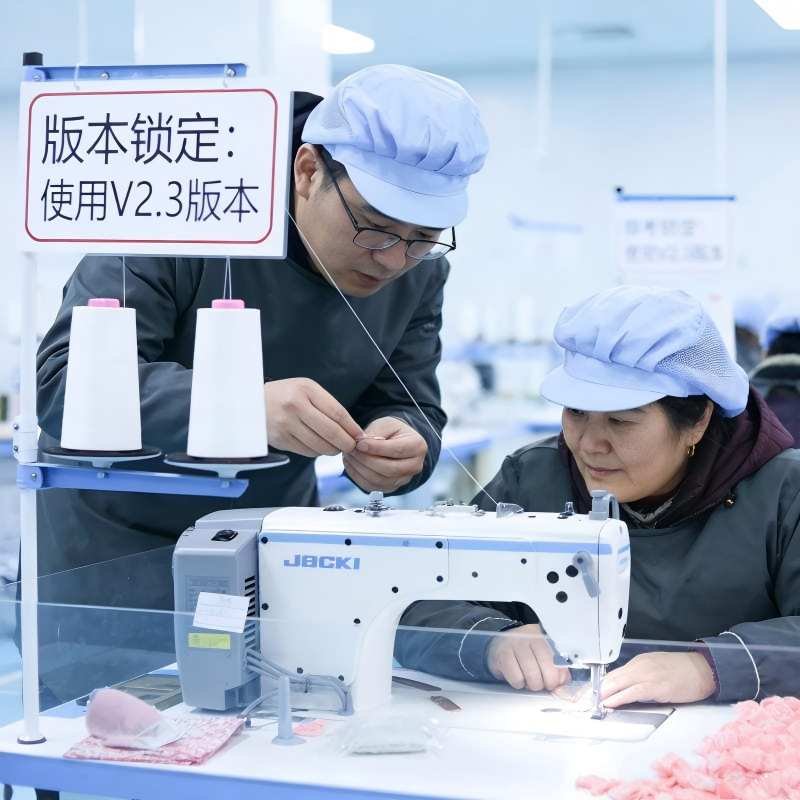
  • “Perfect sample, inconsistent bulk” → version locking + workstation execution controls
  • “Defects repeat across the batch” → AQL checkpoints + corrective loop + re-check proof
  • “Needle/metal risk becomes a late surprise” → detection workflow + logs + release criteria
  • “Packaging/kitting errors show up at the end” → pack-out checklist + layout verification
  • “Timeline slips during scale-up” → bottleneck mapping + capacity planning logic

Capability Map: What We Lock Before Bulk Production?

A complete capability custom plush production.

Sampling Workshop

Approve faster with fewer revision loops.

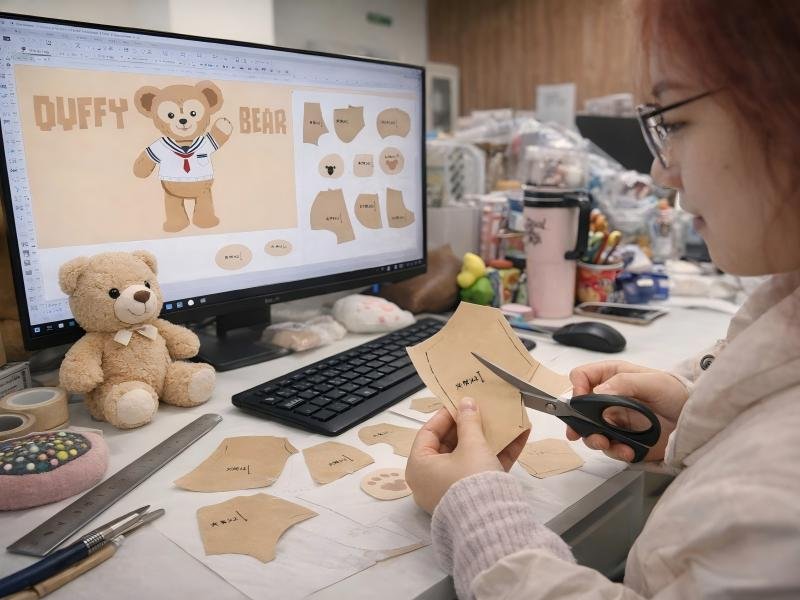
Pattern Engineering

Shape and symmetry stay consistent in bulk.

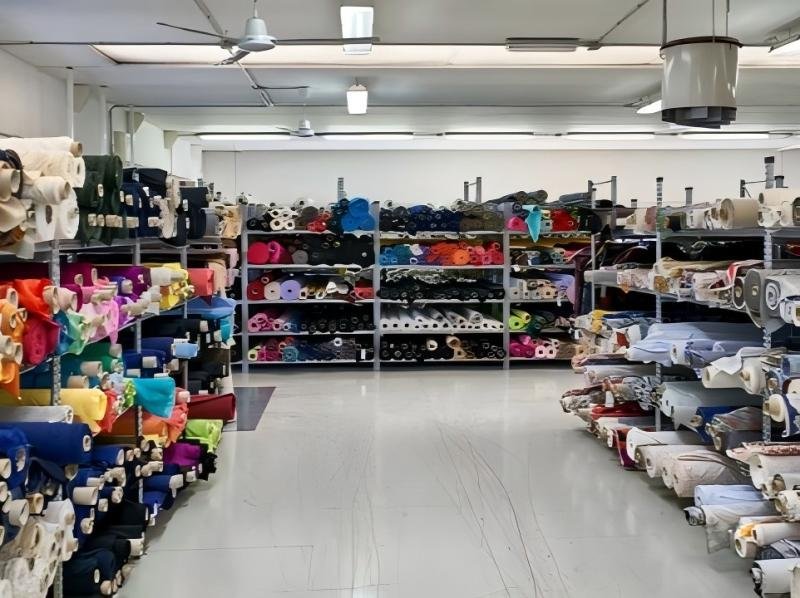
Plush Fabrics Lab

Materials match feel targets and compliance needs.

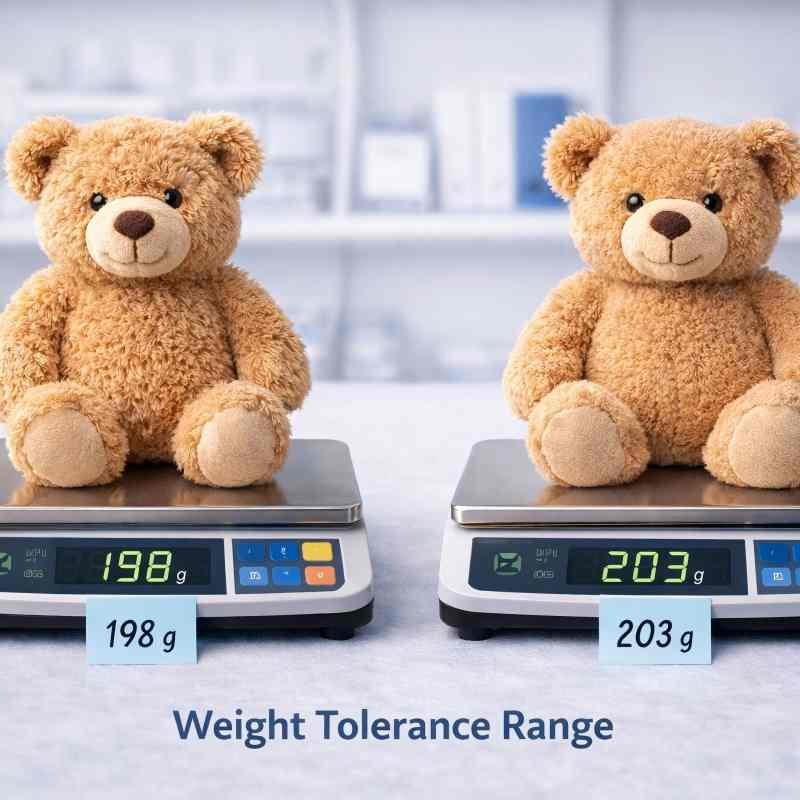
Stuffing & Weight Control

Feel and weight stay consistent unit to unit.

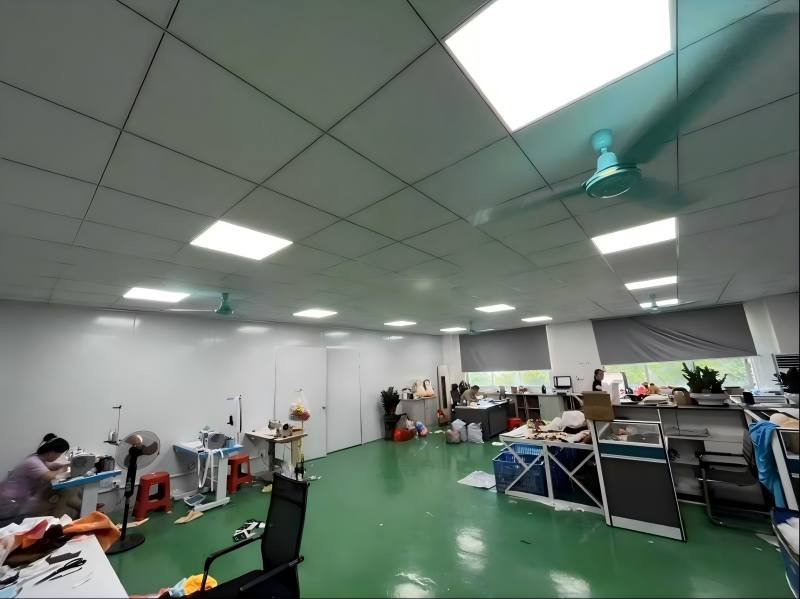
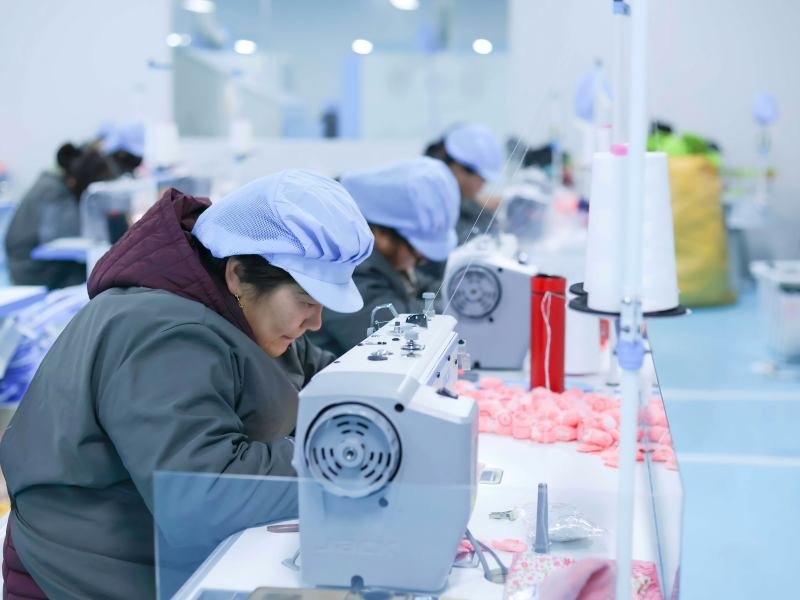
Sewing & Assembly

Construction repeats cleanly across the batch.

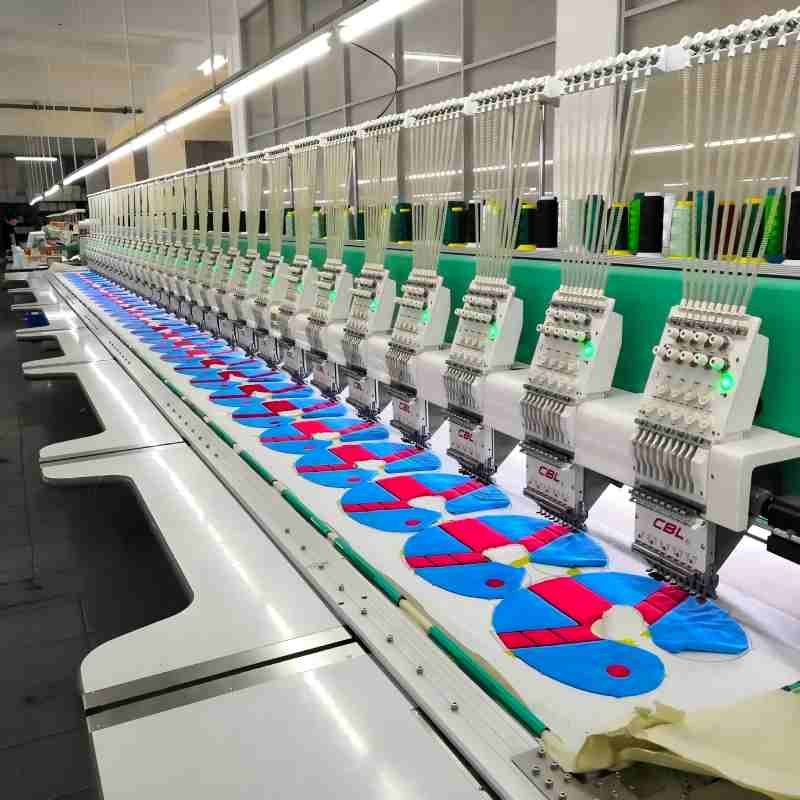
Embroidery & Printing

Branding stays readable and durable at scale.

Custom Plush Packaging

Pack-out and kitting stay repeatable in bulk.

Quality AQL Inspection

Acceptance is measurable, not subjective.

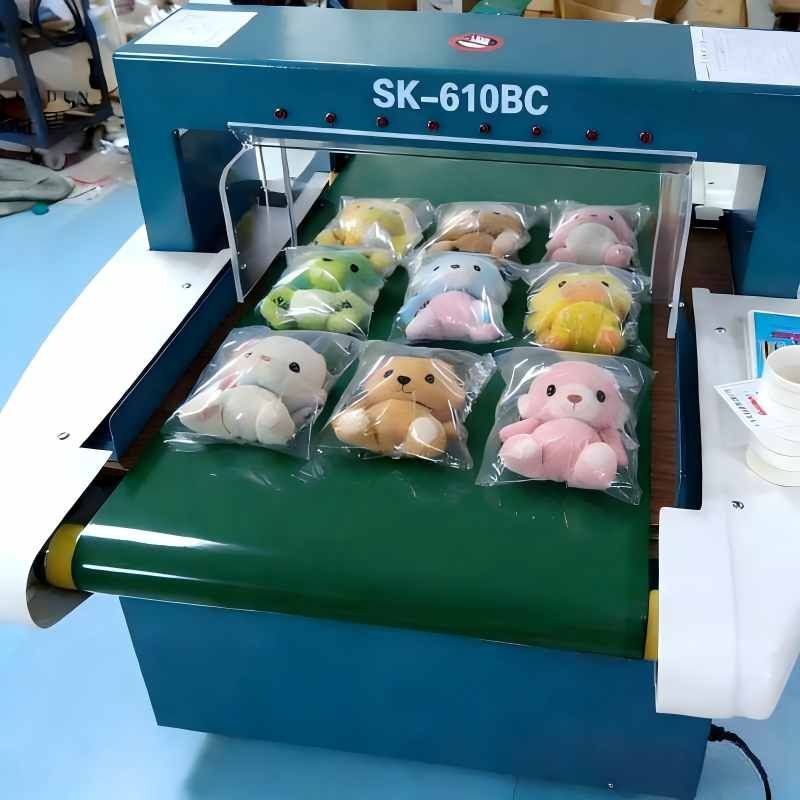
Needle & Metal Detection

Hidden metal risk is removed before packing.

Production Capacity

Scale-up stays on schedule.

1. Sampling Workshop

Approve faster. Revise less.

Sampling stays efficient when feasibility is confirmed early and decisions are locked at approval—so the sample becomes the bulk reference, backed by a BOM, revision log, and photo record.

What gets locked early

  • Feasibility before time is spent
  • One approved reference, one version
  • Critical specs aligned in one pass

Outputs to expect

  • Sample BOM + revision log snapshot
  • Approved reference photo set
  • Change notes that prevent re-testing

2. Pattern Engineering

Bulk keeps the same shape.

If bulk looks different from the approved sample, it usually starts in the pattern. We lock proportions, symmetry, seam allowances, and key points into a sewable route—so shape stays stable at scale.

What gets controlled

  • Proportions, symmetry, seam accuracy
  • Sewable routes with stable alignment
  • Tolerances that protect repeatability

What gets delivered

  • Pattern snapshots with key-point marks
  • Seam map for assembly guidance
  • Tolerance notes for critical zones

3. Plush Fabrics Lab

Pick safer fabrics.

Fabric choice affects feel, durability, and compliance. We screen plush materials for shedding, colorfastness, abrasion, print/embroidery suitability, and wash behavior—then recommend safer alternatives with clear risk notes.

What gets screened

  • Shedding / pilling / abrasion risk
  • Color migration and stain behavior
  • Printing/embroidery compatibility

What gets clarified

  • Best-fit options by hand-feel target
  • Risk notes: shedding / bleeding / shrink / pilling
  • Substitute suggestions for high-risk choices

4. Stuffing & Weight Control

Same feel. Same weight.

“Soft / supportive / structured” only becomes repeatable when weight and distribution are controlled and recorded—so bulk matches the approved reference, not a one-off perfect piece.

What gets standardized

  • Fill-weight range per SKU
  • Zone distribution (head/body/limbs)
  • Support points for pose and shape

What gets delivered

  • Fill zone diagram snapshot
  • Weight log example
  • Approved vs bulk comparison photos

5. Sewing & Assembly

Sewing stays consistent.

Bulk consistency depends on consistent sewing routes. We standardize stitch paths, reinforcement points, and alignment checkpoints—so parts line up, finishes stay clean, and rework drops.

What stays consistent

  • Stitch routes and reinforcement points
  • Alignment for face and body parts
  • Closures, openings, and hidden finishes

What gets delivered

  • Process checkpoint examples
  • In-line QC photo samples
  • Stitch standard references

6. Embroidery & Printing

Branding stays sharp longer.

Decoration is selected by use intensity, not appearance alone. We lock placement, scale, edge finishing, and base fabric stability—so logos stay readable and durable for kids handling, gifts, and high-friction keychains.

Best fit by use

  • Kids handling: reinforced edges, fewer snag points
  • Display gifts: crisp branding impact
  • Keychains: friction-ready execution choices

What gets controlled

  • Placement repeatability and scale ratio
  • Edge lock choices and clean boundaries
  • Base fabric stability under wear/wash

7. Custom Plush Packaging

Unboxing stays brand-ready.

Packaging fails when bulk pack-out drifts. We lock structure, inserts, barcode/label placement, and kitting checklists—so cartons arrive shelf-ready and pick/pack errors drop.

What stays repeatable

  • Structure + inserts locked
  • Label/barcode placement rules followed
  • Kitting accuracy checklist-run

What gets delivered

  • Approved vs bulk photo comparison set
  • Kitting checklist example
  • Carton marks reference

8. Quality AQL Inspection

Acceptance stays measurable.

AQL turns “looks good” into clear pass/fail rules. Quality AQL inspection defines defect severity, sampling levels, reporting, and re-check loops—then triggers hold/containment, rework vs scrap decisions, baseline recovery checks, and version locking to stop repeats.

What counts as pass

  • Defect severity grading
  • Sampling rules by lot size
  • Reporting that supports decisions

What lands in hand

  • AQL report snapshot
  • Defect examples library
  • Corrective loop record extract

9. Needle & Metal Detection

Hidden metal risk removed before packing.

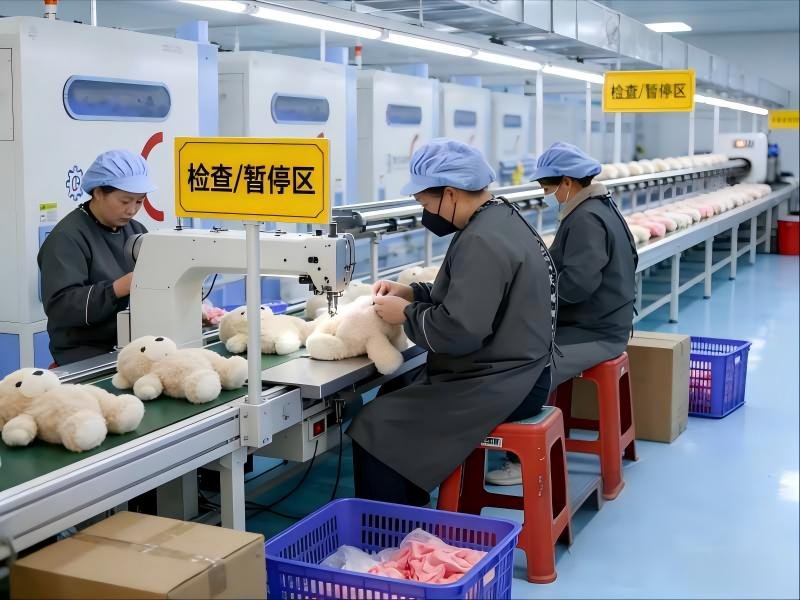
Needle break and metal contamination are controlled by workflow, not luck. Needle & metal detection covers needle issuance and tracking, break-response actions, detection coverage, hold-and-release logic, and traceable records—supported by needle control logs, detection records, and hold-area photo proof.

What gets removed early

  • Broken-needle contamination risk
  • Hidden metal parts before packing
  • Uncontrolled release of suspect units

What lands in hand

  • Needle control log snapshot
  • Metal detection record sample
  • Hold-area isolation photo set

10. Production Capacity

Scale without timeline drift.

Capacity is scheduling discipline plus consistency management. Production capacity planning aligns line configuration, bottleneck recognition, parallel workstations, material replenishment, and second-check nodes—so sample lead time, first-order ramp, reorder rhythm, and peak-season strategy are forecasted by logic, not vague promises.

What stays predictable

  • Lead time tied to routing logic
  • Bottlenecks identified before they delay
  • Reorder rhythm planned for continuity

What gets clarified

  • Ramp plan approach for first orders
  • Parallel allocation logic by process step
  • Peak-season mitigation strategy

Start to turn Uniomy Capabilities Into your Production Plan?

Turn specs into plan.

A clean start prevents costly resets. Lock the approved version (sample/spec/pack-out) , List the risk points (materials, decoration, packaging, schedule), and Define acceptance rules (AQL + pack-out checklist). Use this pages like AQL inspection and packaging controls to submit an RFQ that stays stable through bulk.

Contact Us Today, Get Reply Within 12-24 Hours

I am Nika, our team would be happy to meet you and help to build your brand plush.