Fabrics & Materials Lab — Controlled Fabric Options, Hand-Feel & Batch Consistency

Many plush issues start with materials—looks right, feels wrong, or changes between batches. This fabrics and materials lab is built to verify fabric options, hand-feel targets, and batch consistency, so approved samples can be reproduced reliably in production.

What Materials Are Involved in a Plush Toy?

A complete view of materials—not just surface plush.
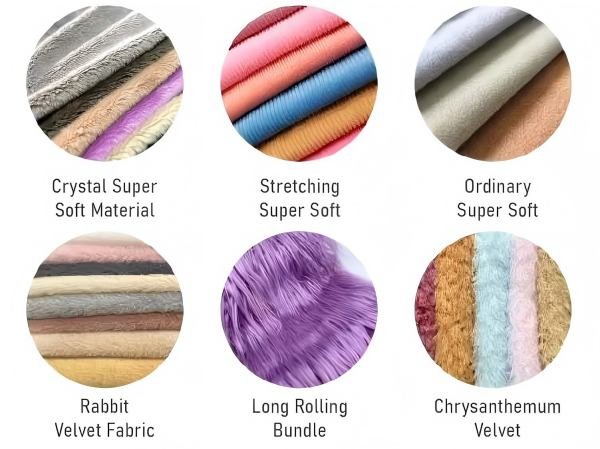
Primary Materials — Define Look & Hand-Feel

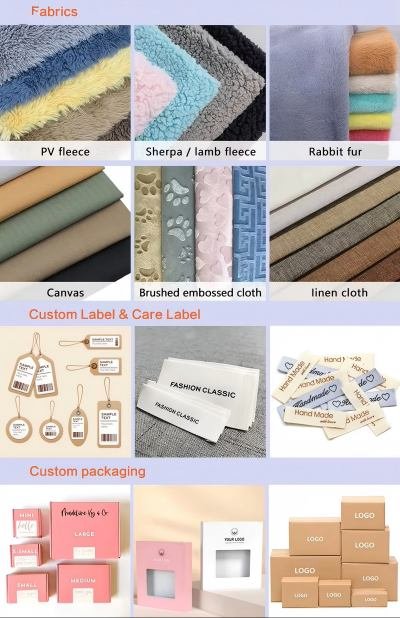
Surface Plush Fabrics

The main exterior material that defines first impression
  • Common types: short-pile plush (minky, velboa), long-pile plush, faux fur, curly or textured plush
  • Used for: main body, head, limbs
  • Quality impact: visual clarity, softness, pile direction consistency
  • Risk if uncontrolled: color shift, uneven pile, inconsistent feel across batches

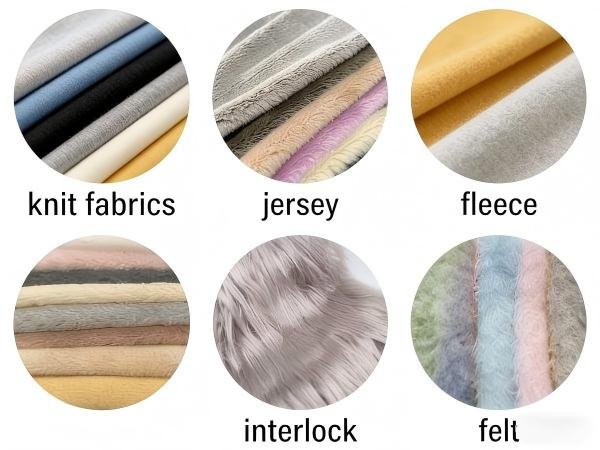
Apparel & Clothing Fabrics

Used for outfits and soft garment components

  • Common types: knit fabrics, jersey, fleece, interlock, felt
  • Used for: clothing, scarves, hats, uniforms
  • Quality impact: style consistency, color matching with plush surface
  • Risk if uncontrolled: shrinkage, stretch distortion, color mismatch

Supporting Materials — Define Structure & Durability

Backing, Lining & Interlining Fabrics

Hidden materials that support surface stability

  • Used for: plush backing, embroidery bases, inner linings
  • Quality impact: shape retention, seam stability, deformation control
  • Risk if uncontrolled: twisting, warping, poor wash performance

Reinforcement & Structural Inserts

Materials that support pose, load, and attachment points
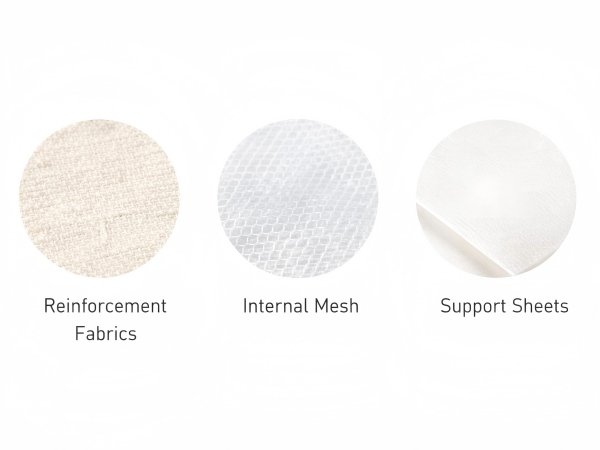
  • Common types: reinforcement fabrics, internal mesh, support sheets
  • Used for: standing/sitting plush, stress areas, attachment zones
  • Quality impact: durability, posture stability
  • Risk if uncontrolled: collapse, tearing, safety non-compliance

Stuffing & Internal Support Materials

Materials that define weight, firmness, and form
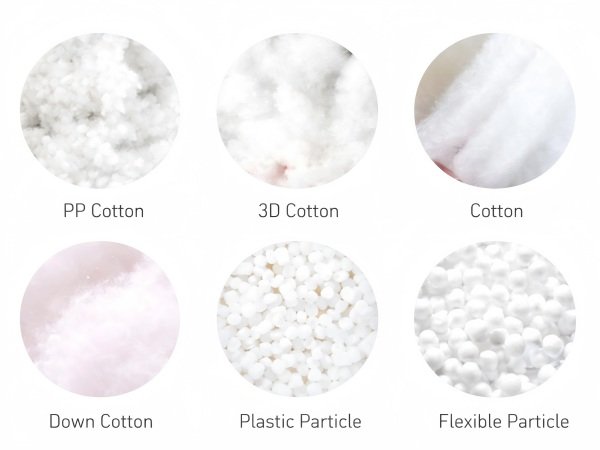
  • Common types: polyester fiberfill, foam inserts, weighted elements
  • Used for: body shaping, balance, tactile feel
  • Quality impact: consistency of softness and weight
  • Risk if uncontrolled: uneven feel, batch weight variation

Detail & Assembly Materials — Define Finish & Reliability

Decorative & Surface Detail Materials

Materials that enhance visual identity

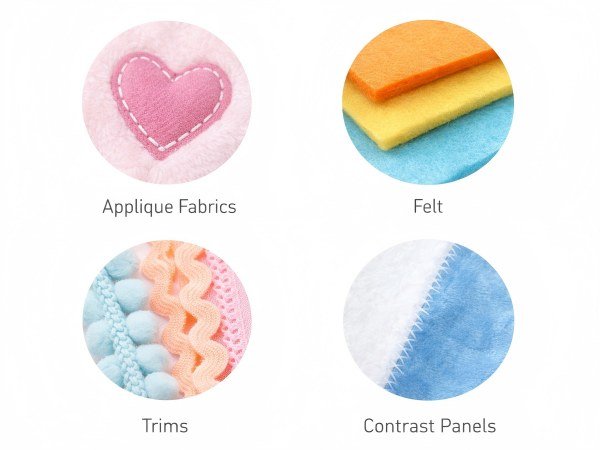
  • Common types: appliqué fabrics, felt, trims, contrast panels
  • Used for: facial details, logos, visual accents
  • Quality impact: brand readability, design accuracy
  • Risk if uncontrolled: peeling, fraying, color inconsistency

Threads, Yarns & Sewing Materials

Often overlooked, but critical for durability
  • Used for: sewing seams, embroidery, decorative stitching
  • Quality impact: seam strength, appearance consistency
  • Risk if uncontrolled: broken stitches, color mismatch, seam failure

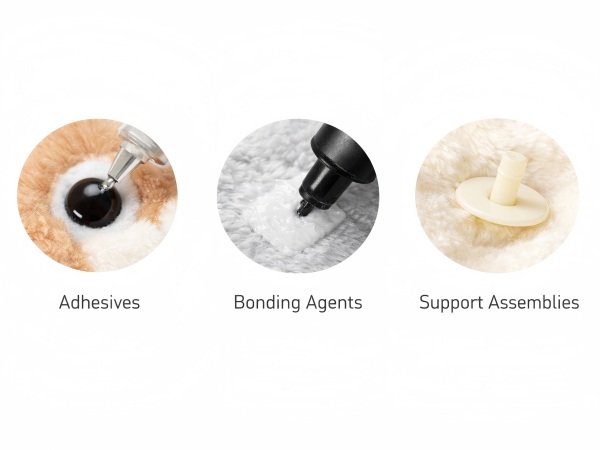
Adhesives, Bonding & Assembly Materials

Used when stitching alone is insufficient

  • Used for: eye/nose positioning, localized shaping, assembly support
  • Quality impact: long-term stability, odor control
  • Risk if uncontrolled: bonding failure, aging issues, compliance risk

How Hand-Feel Is Defined and Kept Consistent?

Turn “soft enough” into a repeatable standard. Define feel once. Repeat it every time.
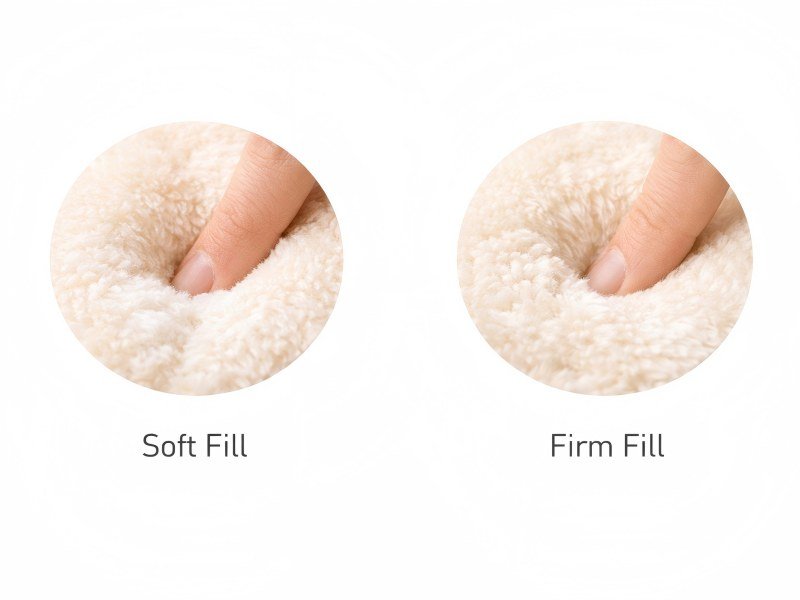
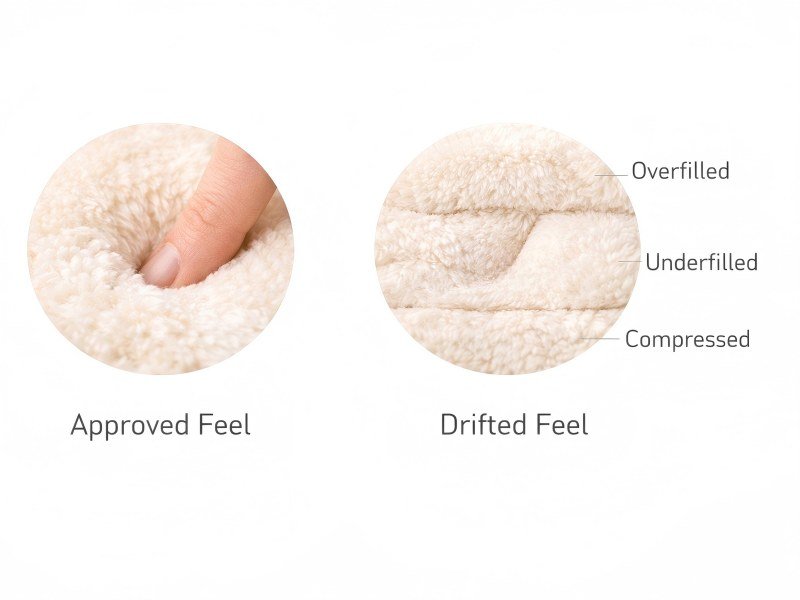
Hand-feel is not subjective guesswork. It is defined, referenced, and controlled. This lab aligns fabric choice, pile direction, filling behavior, and assembly handling so the approved sample’s softness, firmness, and rebound can be reproduced consistently across sampling rounds and production batches.

How hand-feel is defined at the sample stage

Hand-feel is clarified before sampling begins, not adjusted randomly afterward.

  • target feel direction (soft, plush, firm, supportive, floppy)
  • key contact areas that matter most (head, body, limbs)
  • balance between surface softness and internal support
  • reference samples used to align expectations (when provided)

This prevents vague feedback like “softer” without a clear baseline.

What factors actually affect hand-feel

Hand-feel is the result of multiple material and process variables working together.

  • surface plush type and pile density
  • pile direction and cutting orientation
  • filling type, density, and distribution
  • internal support or reinforcement materials
  • sewing tension and assembly handling

No single material determines feel on its own.

How consistency is maintained from sample to bulk

Once hand-feel is approved, controls are applied to prevent drift.

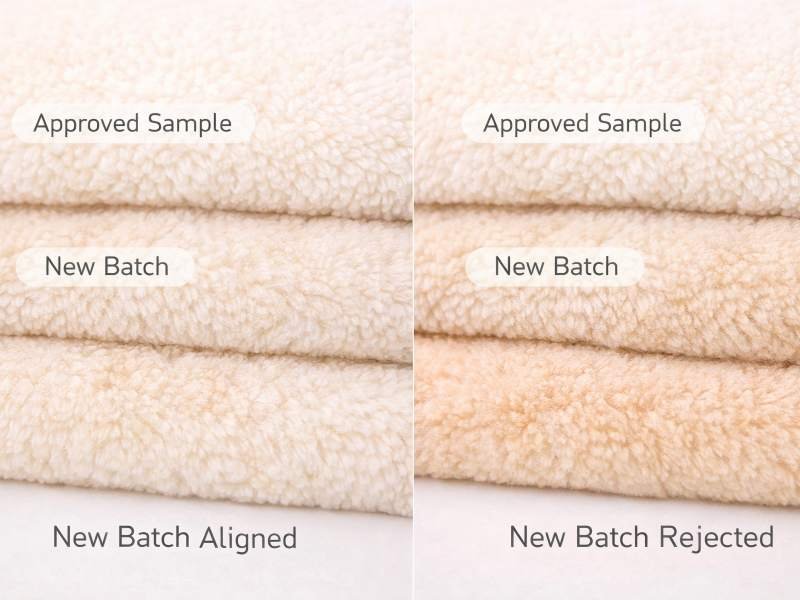
  • fabric batches aligned to approved reference
  • filling weight and distribution kept within defined ranges
  • pile direction rules followed during cutting and sewing
  • handling and compression limits defined during assembly

This reduces batch-to-batch variation and unexpected feel changes.

What typically causes hand-feel variation (and how it’s avoided)

Common causes of inconsistency include:

  • switching fabric batches without feel alignment
  • changing filling density to reduce cost or weight
  • uncontrolled compression during packing or storage
  • mixing materials with different rebound behavior

These risks are addressed before production, not after complaints.

What you gain from controlled hand-feel

  • fewer disputes between sample and bulk delivery
  • clearer quality expectations across teams and suppliers
  • reduced returns caused by “feel mismatch”
  • more reliable product positioning at retail or gifting level

Incoming Material Inspection: What Gets Checked Before Use?

Catch material problems before they reach sampling or sewing.

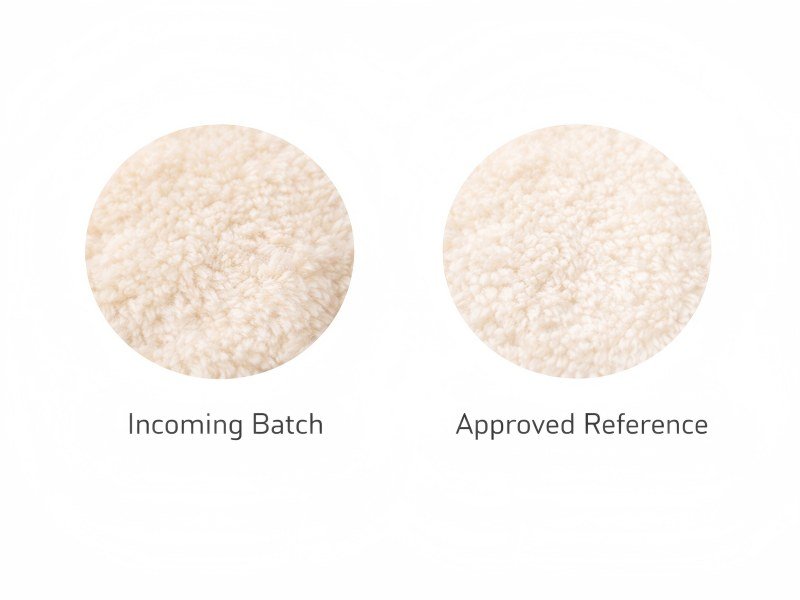
Material issues are cheapest to fix before cutting begins. Incoming inspection screens surface fabrics, supporting materials, and fillings against defined acceptance ranges—so color shifts, feel variation, or structural risks are identified before they affect samples or bulk production.

What is checked at incoming stage

Incoming materials are reviewed against project-specific requirements, not generic standards.

  • color tone and shade consistency
  • pile length, density, and surface uniformity
  • fabric weight and thickness range
  • backing strength and stretch behavior
  • filling material type and density
  • auxiliary materials matching approved specs

Only materials within acceptable ranges move forward.

Why incoming checks matter for plush projects

Many plush quality problems originate before production starts.

  • fabric looks correct but feels different from the approved sample
  • pile direction or density shifts across batches
  • backing or lining stretches differently during sewing
  • filling density changes affect weight and firmness

Incoming inspection prevents these issues from reaching sampling or sewing stages.

How non-conforming materials are handled

Materials that fall outside defined ranges are not forced into use.

  • isolated for review instead of mixed into production
  • compared against approved reference samples
  • evaluated for impact on feel, shape, and appearance
  • either replaced, re-sourced, or re-aligned before use

This avoids downstream rework and sample inconsistency.

What buyers gain from incoming inspection control
  • fewer “looks fine on arrival, wrong in sample” surprises
  • reduced revision rounds caused by material issues
  • clearer accountability when quality questions arise
  • more predictable outcomes from sampling to bulk

Managing Color & Hand-Feel Variations Across Batches

Control variation before it reaches bulk output.
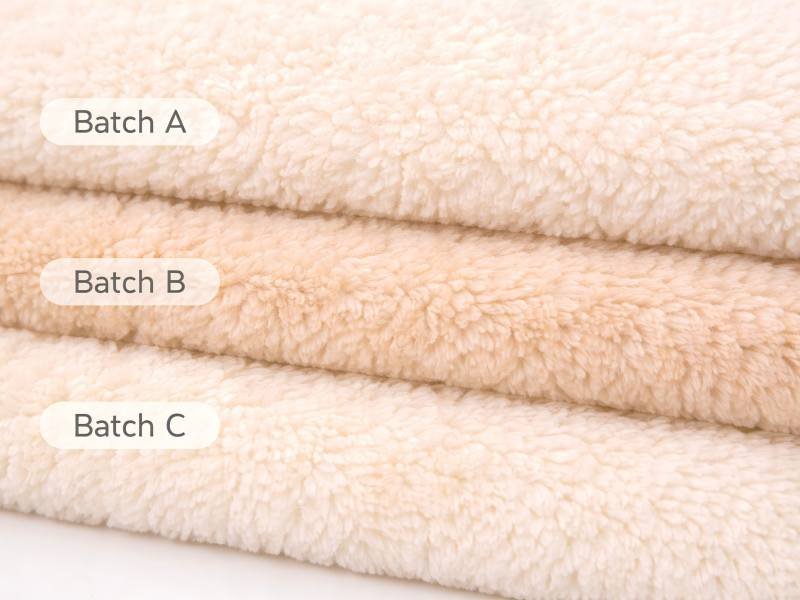
Batch variation is a reality, not a surprise. This lab manages acceptable ranges for color and hand-feel, aligns new batches to approved references, and flags risk before use—so repeat orders remain visually and tactually consistent.

Why batch variation happens in plush materials

Even when materials share the same name, batches can differ.

  • dye lot differences affecting shade and saturation
  • pile density or length shifts between runs
  • fiber blend or finishing changes impacting softness
  • filling rebound differences across supply cycles

Without controls, these differences surface late—after cutting or sampling.

How acceptable ranges are defined

Consistency does not mean “identical,” but within agreed limits.

  • color tolerance aligned to approved reference samples
  • hand-feel ranges defined by softness, firmness, and rebound
  • pile direction and density checked against baseline
  • filling weight and distribution kept within set thresholds

Materials outside range are reviewed before use.

How new batches are aligned to approved samples

When a new batch arrives:

  • compared directly to the approved sample and reference swatches
  • assessed for visual impact and tactile difference
  • evaluated for effect on size, shape, and finishing
  • approved, adjusted, or rejected before entering sampling or production

This prevents silent drift across repeat orders.

What happens when variation exceeds tolerance

If variation cannot be aligned:

  • alternative batches or sources are evaluated
  • sampling adjustments are proposed with clear trade-offs
  • buyers are informed before changes affect output

Decisions are made early, not after bulk production begins.

What you gain from batch variation control

  • repeat orders that match earlier approvals
  • fewer disputes over “same spec, different feel”
  • predictable quality across seasonal or phased production
  • stronger confidence when scaling successful SKUs

How Fabric Control Supports Repeatable Production

Stable materials make scalable production possible.

Repeatable production depends on controlled materials. When fabric options, hand-feel targets, batch tolerances, and incoming checks are aligned early, approved samples translate into stable bulk output—without last-minute adjustments, quality drift, or unexpected rework.

Why fabric control matters beyond sampling

Materials that are not controlled at the start rarely become stable later.

  • small fabric differences amplify across thousands of units
  • hand-feel drift changes perceived product quality
  • color variation breaks brand consistency
  • late-stage fixes increase cost and delivery risk

Fabric control sets the foundation before production pressure begins.

How fabric decisions flow into production execution

Once materials are aligned:

  • cutting follows defined pile direction and tolerance rules
  • sewing lines work with predictable stretch and thickness
  • filling and shaping behave consistently within set ranges
  • QC checkpoints verify against approved material references

Production teams execute standards instead of compensating for variation.

What this prevents during scale-up

  • bulk output that looks different from approved samples
  • rework caused by unexpected feel or color changes
  • disputes over whether materials “still meet spec”
  • delays triggered by late material replacement

Most scale-up failures trace back to uncontrolled materials, not workmanship.

How this connects to other factory systems

  • Pattern Engineering locks structure around known materials
  • Sampling Workshop validates feel and appearance early
  • QC / AQL inspects against material-linked standards
  • Production Planning schedules based on stable inputs

Fabric control keeps these systems aligned.

What buyers gain from repeatable fabric control
  • confidence when placing repeat or larger orders
  • predictable quality across batches and seasons
  • fewer surprises between approval and delivery
  • smoother internal approvals and audits

Q1: Can you recommend fabrics if we don’t know fabric names?

Yes. Tell us the look/feel goal, usage scenario, and target market. We’ll recommend suitable options and confirm during sampling.

Q2: Why does the same fabric look different in photos?

Pile direction and lighting can change perceived color and shading. We manage cutting orientation and alignment to reduce this effect.

Q3: Can you match a specific Pantone color exactly?

We can align to a color reference and reduce variation through early confirmation and batch notes. Exact matching depends on fabric type and supplier conditions—best evaluated early.

Q4: Do recycled fabrics feel different?

Sometimes. We can propose options and help balance feel, durability, and documentation expectations (e.g., recycled content requirements).

Q5: Can you provide material documentation?

We can support documentation paths based on program needs and supplier availability (project-dependent).

Verify Fabric Control Before You Commit?

Clarity first. Fewer surprises later.

Before sampling or scaling, confirm that fabric options, hand-feel targets, and batch consistency are aligned. Share your product basics or request a material overview to review control points, risks, and next steps—without committing to production.

Contact Us Today, Get Reply Within 12-24 Hours

I am Nika, our team would be happy to meet you and help to build your brand plush.